Key Plumbing Services: How to Determine the Correct Plumber for Your Home
Selecting the right plumber for your home can be a challenging task. Homeowners must navigate various factors, including qualifications, experience, and pricing. Many miss essential steps, which can lead to costly mistakes. Understanding common plumbing issues and knowing what to look for in a plumber is vital. What are the key attributes that truly make a plumber trustworthy? Exploring these elements can greatly influence long-term maintenance and satisfaction.
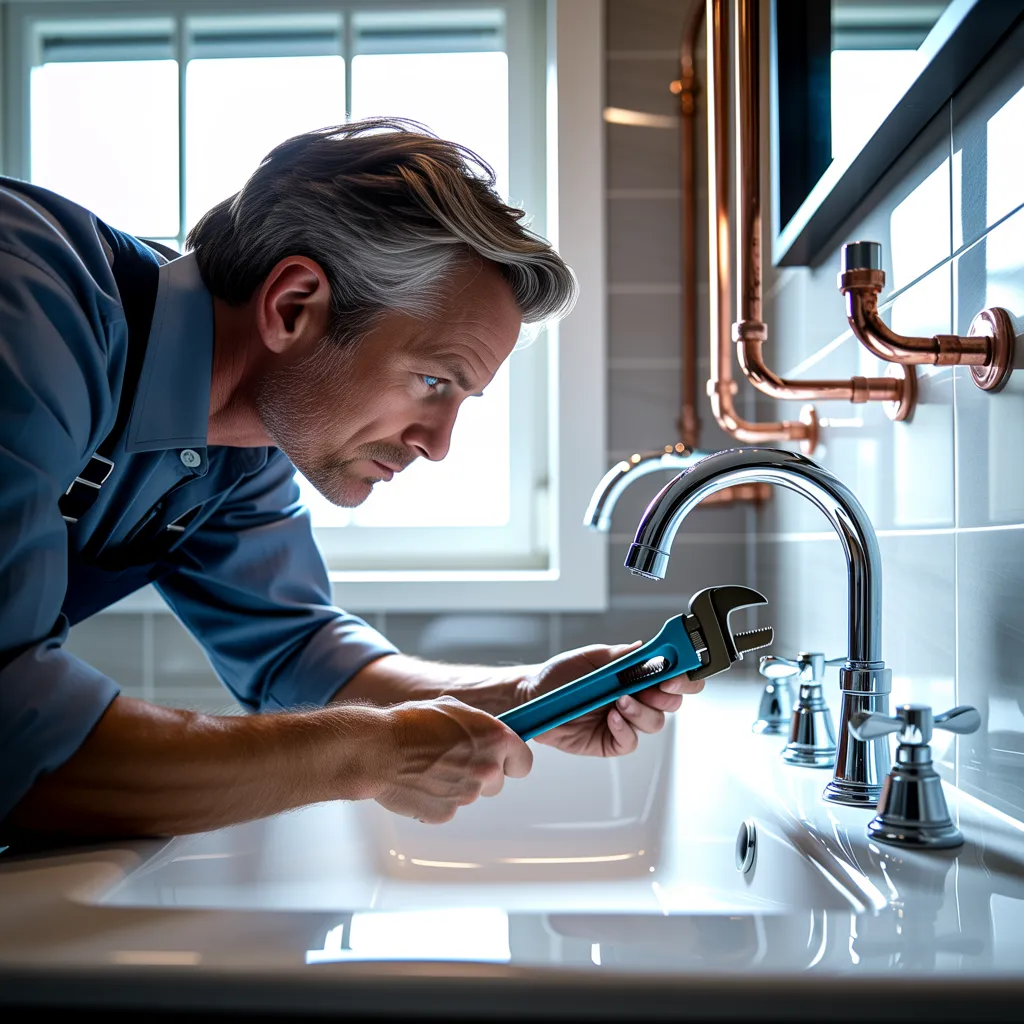
Common Plumbing Issues to Be Mindful Of
Many property owners encounter a variety of plumbing problems that can disrupt daily life. Typical issues consist of leaky faucets, which not only squander water but also lead to higher utility bills. Clogged drains are another frequent issue, often caused by the accumulation of grease, hair, or foreign objects. These clogs can result in slow drainage or even overflow. Additionally, running toilets waste significant amounts of water, often due to faulty flappers or fill valves. Pipe leaks can occur in both visible and hidden locations, potentially causing extensive water damage if left unaddressed. Water heater issues, such as inconsistent temperatures or leaks, can impact comfort and convenience. Finally, low water pressure may indicate a problem with the plumbing system, affecting the overall functionality of fixtures throughout the home. Awareness of these common plumbing issues can help homeowners take proactive steps to maintain their systems effectively.
Important Qualities to Consider in Your Plumber
What key credentials should homeowners examine when selecting a plumbing professional? First and foremost, proper licensing is essential. A certified plumber has met local regulations and demonstrates a level of competence and expertise. Homeowners should also pursue plumbers who carry proper insurance, including liability coverage and worker's compensation, to prevent potential damages or injuries during the job.
Moreover, certification from established industry bodies can demonstrate a plumber's devotion to ongoing education and adherence to professional standards. Homeowners must emphasize those possessing advanced training in particular plumbing domains, such as domestic or industrial plumbing.
Also, a thorough comprehension of local building codes and regulations is essential to guarantee observance during repair services or installation work. Lastly, proficient interpersonal abilities are critical, facilitating the plumber to communicate issues and solutions competently, building mutual comprehension and trust between the occupant and the service provider.
Evaluating a Plumber's Background and Track Record
When reviewing a plumber's expertise and standing, the number of years in the trade works as a vital indicator of dependability and competence. Furthermore, professional credentials can highlight a plumber's focus on industry excellence and continuous improvement. All told, these elements provide insightful perspective into the quality of service one can expect.
Length of Years of Operations
A plumber's experience in the field can considerably influence their reputation and trustworthiness within the local community. Experienced plumbing businesses often present a history of successful projects that reveals their expertise in addressing assorted plumbing troubles in a capable manner. Extended tenure in the trade generally demonstrates a commitment to quality craftsmanship, because these skilled professionals have dealt with adversity and established enduring connections throughout their professional lives. Home buyers should look into how long a plumber has been established, as this might reveal details about their consistency and satisfaction levels. Reviews and endorsements from happy customers can offer more information about the plumber's community standing. Ultimately, choosing an accomplished plumbing professional can provide confidence, making sure the task is handled professionally and with skill.
Industry Qualifications Retained
How can professional credentials strengthen a plumber's standing? Certifications serve as documentation of a plumber's technical abilities, displaying their commitment to professionalism and compliance with industry standards. Recognized organizations, such as the Plumbing-Heating-Cooling Contractors Association (PHCC) and the National Institute for Certification in Engineering Technologies (NICET), present certifications that indicate a plumber's expertise in distinct fields, including installation and repair techniques. These certifications regularly necessitate continuous learning, guaranteeing plumbers remain current with the newest standards and technological advances. A plumber maintaining such certifications is apt to be reliable, building in homeowners. Consequently, when choosing a plumber, confirming their certifications can provide valuable insight into their qualifications and reputation in the industry.
Why Obtaining Multiple Estimates From Plumbers Is Essential
Requesting multiple estimates from plumbing professionals is vital for making an informed decision, as it enables property owners to evaluate pricing, services, and expertise. By collecting quotes from various professionals, homeowners can identify the typical price for specific plumbing tasks, helping them prevent excessive spending. Each plumber may provide different service options, including warranties, follow-up services, or emergency support, which can greatly impact long-term satisfaction.
Moreover, obtaining multiple estimates allows homeowners to evaluate the expertise and qualifications of each plumbing contractor. A variety of opinions can offer clarity on the standard of service and craftsmanship, enabling a thorough review. In addition, this process fosters competition among plumbers, often resulting in competitive pricing or additional services. At the end of the day, taking the time to acquire several quotes equips homeowners with the crucial information to select a dependable plumber who meets their expectations and financial plan proficiently.
Vital Topics to Discuss When Bringing on a Plumber?
When evaluating potential plumbers, knowing which questions to ask can substantially influence the selection choice. A occupant should commence by inquiring about the plumber's qualifications and protective coverage, confirming they meet local regulations and are shielded from financial risks. It's also vital to ask about their background in targeted plumbing concerns, such as piping maintenance or fixture installations, to determine their proficiency.
Homeowners should obtain testimonials from previous clients to assess the plumber's trustworthiness and quality of work. In addition, exploring warranty options on repairs and installations can deliver confidence regarding potential future problems. Learning the pricing structure is crucial; homeowners should determine whether the estimate includes labor, materials, and potential additional costs. To conclude, questioning turnaround times for emergencies can help ascertain if the plumber will be ready when most critical, establishing a solid relationship for ongoing plumbing requirements.
Frequent Red Flags in Plumbing Services
When picking a plumbing specialist, specific warning signs can show potential problems with quality of work. Vague pricing arrangements can lead to unexpected expenses, while a lack of valid licensing creates doubt about professional integrity and dependability. Detecting these red flags is essential for making an informed hiring decision.
Unclear Cost Structures
How do homeowners handle read this article the murky waters of plumbing charges? Unclear pricing systems are a significant concern when hiring a plumber. Many service providers lack clear estimates, leading to unexpected costs and dissatisfaction. Those living in homes should be wary of vague quotes that do not include specific details of labor, materials, and additional fees. A reliable plumber will provide a detailed, transparent quote before beginning work, ensuring homeowners are aware of what they are paying for. Additionally, hidden charges often surface during or after the service, underscoring the importance of confirming payment terms upfront. By emphasizing openness and precision in pricing, homeowners can avoid unpleasant surprises and foster a more honest relationship with their chosen plumbing professional.
No Adequate Licensing
A shortage of adequate licensing can create substantial concerns for homeowners in need of plumbing services. Certified plumbing professionals are usually obligated to meet distinct training and regulatory standards, ensuring they possess the necessary skills and knowledge. When a plumber does not provide proof of licensing, it may indicate inadequate training or a disregard for industry regulations. This absence of compliance can cause substandard work, leading to costly repairs or safety hazards. Homeowners should be distrustful of any plumbing service that does not readily furnish licensing information. Confirming a plumber's credentials through local licensing boards can help avoid potential pitfalls. Ultimately, hiring a licensed professional improves the likelihood of quality workmanship and peace of mind for homeowners.
Maintaining a Positive Connection With Your Plumber
Developing a strong relationship with a plumber can greatly enhance the quality of service obtained. Effective communication is key; property owners should express their concerns clearly and pose questions when needed. This fosters an environment of confidence, allowing the plumber to understand the particular needs of the home.
Additionally, approaching the plumber with professionalism and respect can contribute to improved service quality. Simple gestures, such as supplying refreshments during long jobs, can build positive relationships. Homeowners should also be considerate of time management and facilitate access to working spaces, which can enhance more efficient service.
Moreover, consistent maintenance agreements can improve the bond, ensuring the plumber is informed of the home's plumbing system. Ultimately, giving input, whether supportive or critical, enables plumbers refine their services and develops a joint working relationship. Keeping open lines of communication ultimately serves both parties, producing trustworthy, excellent plumbing services.
Frequently Asked Questions
How Do I Determine if My Plumbing Problem Is an Emergency?
A plumbing difficulty is viewed as an emergency if it includes excessive leaks, sewage backups, or significant water harm. Immediate attention is vital to forestall further complications and ensure safety and functionality within the home.
How Should I Get ready Prior to the Plumber Arrives?
Before the plumber arrives, the homeowner should clear the area around the plumbing problem, gather relevant information about the problem, and shut off the water if needed to avoid additional damage and facilitate repairs.
Are Plumbing Warranties Necessary?
Plumbing protection agreements are essential as they offer assurance in excellent craftsmanship and premium components. They shield homeowners from unexpected expenses, ensuring that repairs or replacements are protected if difficulties emerge after service completion.
Is it possible for Me to do minor Plumbing Repairs Myself?
Yes, minor pipe work can often be handled by homeowners. Basic tasks like repairing drips or unclogging drains need basic equipment and a little instruction. However, care is advised to prevent creating further damage.
What Frequency Is Best for Scheduling Plumbing Maintenance?
Plumbing servicing should preferably be set up annually. Regular evaluations can spot potential problems early, confirming networks perform efficiently and lowering the risk of high-cost restoration. Homeowners benefit from preventive upkeep to boost the durability of plumbing systems.